Her Haughtynesses Decree

Sunday, April 25, 2021

絹 | Kinu | Silk #1 | Fabrics #3

This given the extensive history and use of silk fabrics in Kimono, is a Miniseries of the collective Silks used by Japanese silk producers. This being the origin of silk introduction to Japan. 

Silk was first produced in Neolithic China (10,000-2000BC), and introduced to Japan by 300 AD. The trade had begun to be spread by China to Eurasia (such as India in 140AD)[4] between 100-199AD and thus knowledge of sericulture was spread to neighbouring regions.[1] This then began to began a formalized trade route known more famously as the Silk Road, begun in the Han dynasty (207 AD–220 AD).[2] China held a monopoly on much trade at this time, and like a squabbling toddler, often looked down on its vassal states. As such the 'dwarf kingdom'(Wa|倭|submissive, distant, dwarf) as China referred to Japan, did not spread the knowledge of sericulture in an effort which prevented sericulture proper being practiced for another 500 years when it was introduced by Koreans in dribs and drabs to Japan.

 Silk Road Route, (CC3.0) Kelvin Case

Silk Production occurs by the following:-

  1. The female silkmoth lays 300 to 500 eggs.
  2. The silkmoth eggs hatch to form larvae or caterpillars, known as silkworms.
  3. The larvae feed on mulberry leaves.
  4. Having grown and moulted several times, the silkworm extrudes a silk fibre and forms a net to hold itself.
  5. It swings itself from side to side in a figure '8', distributing the saliva that will form silk.
  6. The silk solidifies when it contacts the air.
  7. The silkworm spins approximately one mile of filament and completely encloses itself in a cocoon in about two or three days. The amount of usable quality silk in each cocoon is small. As a result, about 2,500 silkworms are required to produce a pound of raw silk.[9]
  8. The intact cocoons are boiled, killing the silkworm pupa.
  9. The silk is obtained by brushing the undamaged cocoon to find the outside end of the filament.
  10. The silk filaments are then wound on a reel. One cocoon contains approximately 1,000 yards of silk filament. The silk at this stage is known as raw silk. One thread comprises up to 48 individual silk filaments.[4]

Goguryeo, Baekje, Gaya, & Silla (around 5th century)

According to the speculative tome the Nihongi (720 AD) in 300AD several Koreans went to China, and brought back 4 Chinese women who taught the Japanese how to perform plain and figured silk weaving. However until 800-899AD, the entire nature of sericulture was not fully revealed until a series of Korean, and Japanese envoys and diplomatic exchange eventually began in Japan.[1] These Korean-Japanese envoys often came from Silla, Baekje and Goguryeo, the 3 Ancient Korean Kingdoms and Gaya, which make up modern South Korea today and began trading in silk related items during the Kofun period (300-568AD). At the time, if China, Korea and Japan were 3 brothers, China would be seen as the oldest, Korea the middle child, and Japan the youngest.[7][8] 

In Wa as it was known then, the Korean envoys often changed their minds about what to share with Wa higgedly-piggedly,  due to the higgedly-piggedly power dynamics of exchange with China (Hanja:事大|serving the great [China])[7][8]. It was most likely these envoys came from the small Kingdom of Gaya, were some Japanese-Koreans and Korean-Japanese who lived and travelled between the two Kingdoms of Gaya and Wa most frequently at the time.[5] They would travel and trade mostly between Gaya and the Ruler of Tsushima, due to the proximity of Tsushima to Japan and Korea.[7] So during the Kofun period, the Koreans had very little incentive to give Japan silk technologies, instead offering silk products in other gifts to Wa.

Tsushima Island sits between Kyushu and Korea

Circa 400-499AD, it is thought that Silk Twill (a course silk) was brought to Japan by Asian Continental Twill weavers from the Hata Clan (秦氏), likely Korean who had earlier pioneered new silk weaving technologies for tapestries who often sent diplomatic envoys to Japan unlike China.[3] One of the earliest introductions of silk into these cross-cultural artifacts would have been King Haji's (KRN:하지; JPN:荷知) Gayageum (가야금), a Zither or silk stringed instrument sat in the lap like a Koto, which may have reached Japan around 479AD.[5][6] Chinese fashions worn by the Tang dynasty were often taken up at this time and at this point an early incarnation of Hakama (trousers) were taken up.[19] By the end of the Kofun period however, this all changed with the unification of the Korea peninsula, this lead to Gaya being overtaken by Baekje in importance to Japan by the 550's and the dissolution of Gaya in 562AD.[10] With the Yamato aristocracy of Kyushu beginning to form, creating stability, this lead to increased need for diplomatic relations with Korea.[9] By the beginning of the 7th century, given this lack of trade in woven and plain silks, this would presumably have lead to a greater demand for local silk production which began in Nara around this time.

Cap and Rank Menswear (8th century) | Nara/Tang Womenswear (690-705)

During the Asuka period (539-710AD),  relations between Wa with the Korean peninsula and other countries were officially begun after another spat over titles with China. In 603 with the adoption of the Cap and Rank System from China after a series of Yamato polity conflicts (War = No schmancy silk needed) the relations began anew in 607 and people and silk began to travel again.[10] From 600-699AD, 100 Koreans arrived in Japan with 20 delegations from the Peninsula compared to 12 from China. During this period, the Japanese capital changed to Asuka, Nara where valuable plain silk was woven by this time and was often gifted to Korean Kings. In 688, the King of Silla was given woven silk in offer for a previous gift.[11]  In 662, the Japanese enter the Baekje-Tang war straining Japan-Korean relations (KRN Hanja:交隣政策|Kyorin). The Asuka period was also unstable for Japan as well and by 645 the Taika Reforms took place, with succession disputes until the capital moved to Kashihara in 694 under the Fujiwara.[10] From this time on sporadic trade introduced more silk production items to Japan, but also jeopardized trade by Japanese involvement in Korean wars. A large number of fashions though still were influenced by China up to this point.

The Kingdom of Balhae at its height (830)

The Nara period (710-794) or the unification of the Japanese archipelago then began in Japan, with Nara both capital and trade hub for Japan. By 700-799AD with further infighting in Korea from the collapse of Goguryeo and takeover by Silla, the Balhae Kingdom (698-926) overtook the Baekje Kingdom a the most important trading partner, when around 40 delegations (KRN:발해사|Bokkaishi) were sent to trade with Japan from around 729-799.[13] 13 delegations were sent from Japan to the Balhae kingdom.[12] In 731, the Kingdom of Silla was invaded, perhaps as a result of Korean-Japanese emigrants who fled the warring states, bringing their trade and technology with them.[5][10] With this increase in trade and representation, came the self-assured nature of Japan. In 734, tributary items to the Chinese court included Pongee silk from Mino Prefecture.[11] In 752AD 300 Korean merchants exchanged Chinese silk brocade, tiger skins and fur pelts with the Yamato for Hemp cotton cloth and plain woven silk.[11][13] After another tumultous century of war in Japan, with the new Ritsuryo law code implemented, Fujiwara wars, 38 year Ainu or Emishi war and a new capital move the Nara period ended with the appointment of the first kind of Shogun in 794.[10] This began the new Golden Age, or the Heian Period.

ya who led the last successful Japan-China envoy in 838

Japan began to become less reliant on its neighbours becuase a unique Japanese culture and identity were beginning to form. By 800-899 though, some Chinese officials began to recognise Japan as a valuable state, through concerted efforts by Japanese and Korean diplomatic effort to recognise Japan as Reigi-no-kuni (霊亀の国|Equal state status). This paid off with some Chinese recognition of the Japanese. This paid in silk dividends when the provincial Chinese statesman Li Deyu gave a Japanese Envoy 10 pieces of silk to recognise the effort made in travelling in China and offerring pearls and woven silk, in turn for spreading Buddhism to Japan.[11] The 839 delegation returned in smaller numbers however, after a series of great storms had destroyed much of the voyages own ships resulting in the Japanese returning aboard Korean ships.[14] Jang Bogo, the Silla Wako (Silla pirate) and warlord also maintained a trading base in Kyushu, most likely trading in Chinese and Korean textiles.[5] In 858 the Fujiwara consolidated their hold over Japan.[10] By 894, the policy of sending ships to China was abolished over a spat caused by Sugawara no Michizane due to his own conflicting interests with the Fujiwara. Unlike the Heian women who could read and write in Chinese, Sugawara was completely ignorant of Chinese, and therefore useless as an ambassador and the Emperor had to order an end to the Chinese envoys.[15] 

From the Tale of Genji (note the metallic threads)

By this time the Heian court had begun to assemble and by 935 the Junihitoe began to be worn by Heian court women.[16][17] It is plausible they were made from silk with the sericin removed, which gives modern Kimono their shiny, smooth and incredibly soft texture, as course silks such as Tsumugi and Pongee are still seen as Traditional textiles today, but not luxurious enough for nobility. Whilst complex silk weaving was a Japanese textile technique and tie-dye was certainly used, decorative techniques were still being transported over from Korea and China. So instead of wearing decorative motif silks, Heian court ladies layered their Hitoe (single layer Kimono) into 12 and this process known as Kasane-no-irome (襲の色目|coloured layering) which adhered to the Chinese calendar of 72 seasons became fashionable as indoor wear for women, like teagowns in the Victorian age, or pajamas when you cant be arsed but want to pretend you aint a slob either.[18] By Murasaki Shikibu's time, these issues were overcome and new application techniques, embroidery and so on were used to decorate and strengthen fabrics, such as Sashiko stitches. Hakame were also first worn by women as an undivided base layer of their kimono, becoming a culotte divided type by the 10th century worn.[19]

TLDR

 - 300-399: Koreans via Chinese women introduce plain woven silk weaving to Japan

 - 400-499: The Hata Clan introduce Silk Twill Weave to Japan, and Gayan-Japanese Relations begin

 - 500-599: Gayan Relations Steadily Decline, decreasing silk exchange between Japan and Korea, increasing local Japanese plain silk production

 - 600-699: Formal Korean/Chinese-Japanese Relations begin and Silk is first traded officially by Koreans and Chinese merchants with Japanese silk makers in Nara

 - 700-799: Korean Collapse facilitates new Silk production capabilities in Japan by Korean-Japanese immigration increased Japanese silk exports and Heian Nara producing first cultural golden age for Japan

 - 800-899: Chinese recognition of Japan, Fujiwara Consolidation also driving demand for Complex silk weavers 

 - 900-999: Kasane aesthetic culture is born, and Junihitoe arrive creating the first silky ancestor of the Kimono

Bibliography

[1] https://en.wikipedia.org/wiki/History_of_silk

[2] https://en.wikipedia.org/wiki/Silk_Road

[3] https://en.wikipedia.org/wiki/Korean_influence_on_Japanese_culture#Silk_weaving

[4] https://en.wikipedia.org/wiki/Sericulture

[5] https://www.worldhistory.org/article/982/ancient-korean--japanese-relations/

[6] https://en.wikipedia.org/wiki/Daegaya

[7] The Exchange of Envoys between Korea and Japan During the Tokugawa Period, George McCune, 1946, pp.1-2, The Far Eastern Quarterly

[8] https://en.wikipedia.org/wiki/Sadae

[9] https://en.wikipedia.org/wiki/Yamato_period#The_Yamato_state

[10] https://en.wikipedia.org/wiki/Timeline_of_Japanese_history

[11] Japan's Foreign Relations 600 to 1200 A.D.: A Translation from Zenrin Kokuhouki, Charlotte Verschuer, 1999, pp.3-32

[12] https://en.wikipedia.org/wiki/Balhae

[13] https://ko.wikipedia.org/wiki/%EB%B0%9C%ED%95%B4%EC%82%AC

[14] https://en.wikipedia.org/wiki/Fujiwara_no_Tsunetsugu

[15] https://en.wikipedia.org/wiki/Sugawara_no_Michizane

[16] https://en.wikipedia.org/wiki/J%C5%ABnihitoe

[17] https://en.wikipedia.org/wiki/Kager%C5%8D_Nikki

[18] https://japan-forward.com/kimono-style-junihitoe-empress-masakos-sumptuous-enthronement-dress/ 

[19] https://en.wikipedia.org/wiki/Hakama

Socials

https://www.etsy.com/uk/shop/KaguyasChest?ref=seller-platform-mcnav or https://www.instagram.com/kaguyaschest/ or https://www.youtube.com/channel/UC5APstTPbC9IExwar3ViTZw, or https://www.pinterest.co.uk/LuckyMangaka/hrh-kit-of-the-suke/

Sunday, April 18, 2021

井原 西鶴 | Ihara Saikaku | 1642-1693 | Bijin #3 | The Genroku Bijin

Ihara Saikaku, born Hirayama Tōgo (平山藤五), was a Japanese poet and creator of the "floating world" genre of Japanese prose (ukiyo-zōshi). He was the son of a wealthy merchant in Osaka, and by 1662 he became a haikai-no-renga (俳諧の連歌| linked-verse-haiku-chain) master and began to establish himself as a popular haikai poet. In 1670, he had become an established writer with his own writing style, which frequently depicted merchants or Chonin (町人|'town-people') in their natural habitat, The pleasure districts. In 1675 his wife died and he composed a hella long poem, taking 12 hours to write, written in her memory. It is said that it is this which prompted him to began writing novels. When his youngest daughter also died, he became a non-practicing-monk and began travelling around Japan. By 1677 he returned to Osaka, and hearing of the success of his 1675 poem took up writing again.

He then began writing prose fiction and he had published The Life of an Amorous Man (1682), The Great Mirror of Beauties: Son of an Amorous Man (1684), Five Women Who Loved Love (1685), The Life of an Amorous Woman (1686) and The Great Mirror of Male Love (1687) which was particularly detailed, and Comrade Loves of the Samurai (1687, Translated Collation). These later works have aged like good wine so to speak, as they were highly popular at their time of release (puns) and have remained incredibly popular among the LGBTQIA community today for their elaborative detail in Japanese history on the matter, popularised in the UK by Edward Carpenter himself (1844-1929).[1] These Erotica drew on Ihara's Chonin stories, which are said to be both satirical and comical.[2] His style was said to be so outlandish its only reference point was to the exotic 'Dutch' styles brought in by Dutch sailors into Dejima. His 1686 'Amorous Woman' novel is best remembered.[3] In 1952 it was made into the Life of Oharu.[4]

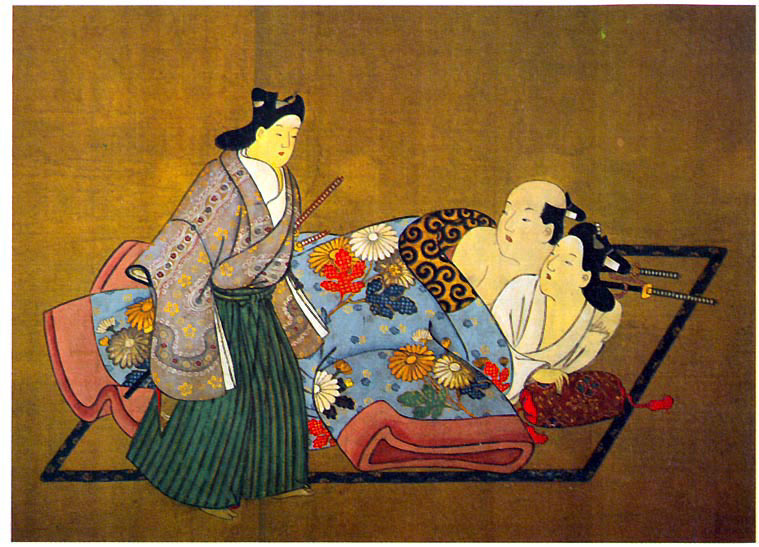
Yonosuke with a Telescope (1686) Ihara Saikaku

From Osacca to Iedo (1680)

Ihara had begun upping-the-ante and created incredibly lude E compared to what had gone before in Japans historical figure art (the majority, even in Abuna-e being clothed up to this time). His accounts were mostly like saucy novellas of the lives of people from the new wealthy Chonin and their lovers, but its Osaka. His 1682 novel for instance, has the protaganist Yonosuke, who from 6-60 goes about on a island populated only by women in a bid for devoted love. These books were written to be circulated by the wider public, but the market was made due to the demand for merchant whimsy fulfillment, particularly around the pleasure district genre.[3] 

A Pleasure district worker, flashing their ankles (1723) Nishikawa Sukenobu

As a result of his works being set amongst the Chonin, his works are both evocative of a sort of new-money beauty, which was considered rather tacky amongst the upper samurai of the time. There is indeed a lot of questionable material, but also offer a glimpse into the average kosode of the time, and some of the varied levels beauty began to take. Cheap to the rich, is not cheap to the poor as we all well know, you can only afford so many Obi before customs comes for your neck on a silver platter after all.

The kosode seen in the Sumizuri-e accompanying his 1682-1687 erotica therefore are a good indicator of what consituted the Chonins Bijin so to speak. Whilst images of finely dressed Tayuu were common to the hoi polloi as they would have been seen parading down the long avenues with their 2 child attendants and set trends, this was more of a trickle-down-economics approach. The Kosode popular in these E therefore are simpler, often using only one motif and one colour. Richer Chonin have more motifs, more colours etc but this is also due to the constraint of the sumptuary laws set by the Tokugawa Shogunates Government. This was particularly true in Osaka, a city known in Japan for its big-spenders (Japanese stereotype not mine), in the vein of Kaneo Takarada from Kill la Kill.

Ihara's Bijin in his Suzumuri-e reflected national standards and as such are reflective of the wider merchant patronage of the arts, which lead to the creation of the new textile culture in the Kansai region in the Genroku period, leading to the merchants patronage of Genroku textile culture by Osaka Genroku Nakama. This textile culture however sprang from a combination of:-

 - Stabilisation policy after civil war (1590-1615) 

 - Sumptuary legislation in reaction to the wealth of the merchant classes (1604-1685) 

 - Regulation of export and imports of foreign trade in silk and cotton (1615-1685) 

which merchants combated by using workarounds to create new kosode cultures through art patronage, woodblock prints and by merging old artforms together to create unique new kimono and art objects.

A spot of wrestling, in the fashions of 1702 (c.1711-16) Artist Unknown

Sumptuous Silky and Silvery Sanctions and the rise of the Chonin (1590-1700)

Sankin Kotai procession

Stabilisation Policy (1590-1615)

With the end of the Sengoku Jidai (戦国時代|Age of the country at war) over the Keicho period (1596-1615) came the emergence of the Sankin Kotai, when people began to move into the cities to be with their newly roving lords at first, and later to engage in the business that catered to the roving lords, with merchants owning a store in the city, and another in the countryside.[9] This was due to a policy of stabilsation and appeasement furthered by the last of the 2 unifiers of Japan, Hideyoshi Toyotomi and Ieyasu Tokugawa. Policy changes included the 1596 Hideyoshi edict which removed a large number of swords from practicing samurai in an effort to curb violent crime for example. The 1590's brought an increased trade for Kyoto Nishijin-ori silk merchants amongst these stabile trade conditions from wealthy clients.[8] 

Instability however until 1615 however was rife with vigilante justice, with many Kabukimono (傾奇者|samurai gangs) & Machi-yakko (町奴|village paramilitiaries) who comprised the leftover Ronin (wandering samurai) left behind or without an overseer due to the end of Japan's many civil and local wars, which the policies aimed to regulate by creating new national workforces and systems for these displaced persons.[18] Machi Yakko contributed to the disruption of these policies by practicing non-conformity, one of their Mon crests for example combined a Kama (sickle), Wa (Circle) & the Kana phoneme for 'nu' to make Kama-wa-nu, literally "who cares", which directly questioned the political authority of sumptuary laws and the bias class structures at a time when mass hunger and infanticide were common amongst townspeople, but not amongst their ruling overlords.[11]

Osaka posh totties (1680) Tamura Suio

Sumptuary Laws (1604-1685)

Sumptuary laws simply put in England were used to dictate who could wear what colours, type of clothing, furs, fabrics, and trims from the serfs to the King. This was to establish class hierarchy, or material textile culture (so why we think Velvet is a fancy material for example, as it was Henry VIII's textile of choice) and also to regulate the English textile industry in exports and imports to bring revenue into England and to keep it out of France (a tough job as English exports were basically wool and the itchy grey broadcloth). This general idea times by about 100 applies to why the Shogunate governate regulated the Japanese textile culture and market. Whereas England has tips, Japan had R-U-L-E-S.[5] From arguably 1604-1684, new laws were put in place to try to limit the expediency of frugal Chonin. However by 1688-1720, these new Chonin had become wise to the sumptuary laws and began becoming patrons of the arts. The Chonin's spending power was vast under military policy, and and during the Kan'ei-Enpo periods (1624-1681) began to be spent on Kabuki actors and around pleasure districts. These designs quickly began to be flashier and often outshone the Kosode worn by the Bakufu (幕府|tent-government). Eventually to save face, the upper classes began to adopt these evermore expensive outfits, to keep up with the times.[9] This however became an increasingly non-option for the Bakufu who were used to living above the peasants, not borrowing from them.

Tsumugi Silk on the left; Ie, cheapy scratchy silk

Sumptuary laws stipulated things such as what fabrics and dyes could be used based upon a persons rank, decided by bloodlines at the time. The lowest of society like farmers (principally merchants though), for instance could not wear silk unless it was Tsumugi silk (waste-silk), Hemp, arrowroot, wisteria or Tilia Japonica fibres instead. The Hollyhock, Paulownia and Chrysanthemum and Beni/Murasaki dye only being allowed to be worn by nobility etc etc.[11] Merchants were later denied wearing red by the late 18th century as it was a sign of nobility and so on. This went further when considering how merchants came by their fortunes, as noble Japanese men only were allowed to make their fortunes by selling their own wares. If like merchants you sold other peoples wares, you were seen as belonging with the pondscum of society.

Beni Dyed Kimono (1850)
The Meireki Fire of 1657 (1661) Terajima Ryoan

In Edo, merchants (Fudasashi) dealt in rice. In Osaka, these bigger merchants were the Kakeya (Moneylender) and Kuramoto (Salesman), some of whom had begun to wear the shorter sword of the samurai class, which under Confucian Buddhist Japanese standards was a no-no. Particularly to the disgruntled Tozama daimyou (outsider lords) at first. Other smaller merchants such as peddlers, entertainers and manual labourers were also gaining more wealth. Merchants in Kyoto were known for their culture, Edo for their power, and Osaka for their money. Ihara himself noted the expediency of Osaka merchants money related priorities, a pride in enterprise they held in high esteem for themselves and their wider families. This was found in self-made merchants like Kawamura Zuiken (1614-1700) who began as a cart-peddlar, and whose quick thinking after the 1657 great fire of Edo in buying local timber made him rich overnight. Edo merchants such as Kinokuniya Bunzaemon (紀伊国屋文左衛門, 1669 – 1734) were particularly known in the pleasure districts for their lavish spending.[14] 

The Matsuura Byobu depicting contemporary fashions (c.1650) Iwasa Matabei

By the 1660's, Osaka Kuramoto and Kabunakama who specialised in the cash crop Cotton, instead began making domestic Kosode from Indian Sarasa prints.[8][16] The Kabunakama (株仲間|merchant guilds) began developing due to broken Nakama (contract-merchants) contracts and the cooperation and social contacts between provincial, regional and city merchants began to grow into the recognisable new flourishing Chonin class.[8][15] The Chonin according to the Chonin themselves therefore upon retirement, was to leave behind his wealth, and live a life of refinement in following Kodou, Shudo, Chado, Archery, Waka, Music, and to refrain from swearing in tripping over his purple hems.[14] In the Genroku period (1688-1704) the Chonin began to become wealthier than the Bakufu, given the Chonin dealt in coin, whereas the Japanese Warrior (read:Samurai) dealt in rice, and thereby died by the Koku-stipend.[10]  Rice goes off however, so generally Chonin had a bit more leverage with accumulating wealth, from their businesses in printing, textiles, etc to meet the ratio of Supply and Demand creating in the years of population control and stabilisation policy under the new Shogunate. 

Eventually the Bakufu or upper classes became evermore indebted to the Chonin or middle classes, a situation seen as untenable by the Bakufu who began issuing more stringent Sumptuary laws.[8][9] In 1683 laws were made denying lower classes from using embroidered crests and dyers could not use certain dye-processes to increase the shine or silk reflection in a kosode, and by 1684 Chonin and artisans classes were warned against using flamboyant silks and instead to wear pongee Kosode.[11] By 1685 though these Sumptuary laws directly targeted the Chonin in favour of the indebted upper classes, banning lucrative trade and displays of Confucian vulgarity; banning the merchants from flaunting their wealth in luxurious textiles. 

Genroku Kosode, known for its full red Kosodes, Kana and Shibori designs (c. late 17th century)
Gneroku Kosode Design from a sample book, note the Red Shibori fans (c.1680's) 
Shunga Trio in Genroku Kosode (c.1690-1740) Miyagawa Chosun

These laws began as a Tokugawa reaction against Chonin Genroku Textile Culture.[11] But the laws in the end had little effect with textile production and culture only shifting to fit the needs of the clients.[9] As Tenka no Shonin (merchants of the nation), they held themselves now to higher callings, one of these being the elevation of the common art of clothing. Although it was more common to see Kyoto and Edo merchants spending lavish amounts, Osaka merchants were more known for their originality due to their frugality[14] leading to more cultural awareness at times than old Kyoto culture and city dwelling Edo merchants. 

Courtesan and Attendant, note the courtesans Iki Kosode, and how they sit atop Genroku Kosode (c.1688) Hishikawa Moronobu

Osaka Genroku culture, was bold, loud, brash and in your face- the new money of entrepreneurs. In contrast for the old money, this also resulted in the pushing of the notion of Iki (being chic and reserved) by the upper classes in conformity with Confucian ideas of propriety and dress derived from Buddhist Wabi Sabi aesthetics of finding the hidden beauty in the non-material. How you dressed therefore was also a politicial statement of your background.[11]

The world after the partition for Spain and Portugal under the Treaty of Tordesillas (1494)

Regulation of Foreign Trade (1615-1640)

The final component of the catalyst for Genroku merchant culture was the control of foreign goods to create their luxurious textiles and goods. Foreign trade was regulated and imposed upon most heavily during the Genna period, but had its roots in the Ito-wappu Nakama system founded in 1604 which regulated which cities could import raw silk fibres into Japan.[17] With a number of extraterritorial incidents from 1595-1615 from European powers, the Bakufu became increasingly wary of foreign tradesmen and so-called-diplomats from these countries, particularly as under the Treaty of Tordesillas (1494) Spain could have laid claim to Honshu, Hokkaido and Shikoku and Portugal to Kyushu. 

Portugal for instance had begun converting heavily in the 1590s, bringing new technology such as the printing press from Korea and cotton from India in small amounts to Japan. It was under the Bakufu inauspicious reservations in the Genna period (1615-1624) of these powers, that Osaka Chonin beginning in 1624 had begun to become rich from the sale of textiles like Cotton and Silk, first traded with China and India.[6] It was this homegrown cotton industry created by the Genna Chonin which allowed Kosode to become a mass consumer product amongst the Chonin, and demonstrated their new middle class spending power with the Commonfolk however still dressed in local fabrics (Hemp, Linen, Ramie, and Bashofu) though to make their Kimono.[7][8] 

Indian Coromandel Sarassa export sample for the Japanese market (c.1675-1725)

The import of foreign textiles even extended to the Fundoshi which Chonin began making out of Indian silk.[9] Indian Chintz or Sarasa also began to be imported from Coromandel Coast, India, by the Portuguese as Sarassa which hold religious significance in certain areas of India. Most likely introduced around Nagasaki or Osaka, these printed calico fabrics being cheap to produce and brightly coloured textiles quickly became a new opportunity for Osaka merchants to make purses, Furoshiki (風呂敷|wrapping cloths) and tea related paraphenalia to attach to Kosode.[16] 

Sanctions on imports against European trade was made by the Bakufu in an effort to control the outflow of silver from Japan, the English leaving Japan in 1623, the Dutch being allowed to trade only in Dejima after 1635 and the total expulsion of Iberian traders after 1639. Further consolidation of the Bakufu's sakoku policy followed, when in 1631 the Ito-wappu system was extended to Osaka to regulate the silk trade directly under the Shogunates rule.[17]  From 1655-1685 this saw a level decline with the Kyoto Chonin seeing a new demand for silk after the reintroduction of Ito-wappu in 1685 saw the creation of a homegrown market around Kansai for silk, alongside the ban of Chinese imported silk to Japan in the same year.[7][8] This focused textile production in a closed national Japanese system of production creating the conditions to focus on home-made textiles.

The Genroku Osaka Bijin (1680 - 1700)

The Osaka merchants of the Genroku period became well known as the highpoint of Kabuki and pleasure district culture, promoting the arts of theatre and Asobi-dressing. It was said by the essayist Kato Eibian (1763–1829) in the 1820s, that by Genroku accounts that Osaka was 'by day a paradise, and by night as lavish as the dragon-kings palace'.[14] This lead to the proliferation of textile culture and print media, most easily summed up in the invention of the Yakusha-e (役者絵|Actor-print), one of the defining features of Ukiyo-e for print collectors today. Yakusha-e and Kabuki, and art patronage combined dramatically to transform the importance of dress, and how Kosode could and should be worn. An impetus for aesthetical dress you could say like the artistic dress of 1860-1890 in England.

Nuishime-shibori roundels (c.1568-1615)

Hanging scroll (1690) Miyazaki Yuzen
Sashiko stitch examples (c.1850)

Locally produced Japanese Sarasa fabrics and stencils (c.1700)

Under these new conditions Kosode became ever more elaborate and ornate, reflecting popular art styles of the time. Techniques such as the Nuishime Shibori (Stitch Resist Tie-dye) were created.[9][12] Yuzen (友禅染|resist dye) from the fan-painter Miyazaki Yūzen (宮崎 友禅斎, 1654-1736), and the calligrapher Yuezen Hiinakata (dates unknown) also emerged in reaction against sumptuary laws where Kana and fan painting were applied directly to Kosode in imitation of hanging scrolls.[9][13] Kogin stitch (counted thread embroidery) was pioneered for farmers working in winter.[11] Katazome (rice paste resist dyeing) Katagami (Katazome premade-stencils) were applied by Kuramoto to Kosode to make Sarasa prints (Indian themed patterns) in floral and animal motifs.[16] Art and textile in Japan therefore became one and the same, developed through older Heian, Shinto and Buddhist aesthetic and visual traditions. 

Kambun 2 tone Kosode (c.1660)
Kambun Kosode metallic thread details (c.1660-1670)
Genroku Kosode Spatial Arrangement being Bottom Heavy (c.1680)

In the Kambun era (1661-1673) Kosode were generally two colours and woven with metallic thread and goldleaf. During the introduction of foreign textiles and rise of the new middle classes from the import of cotton and sarasa, tastes, colour schemes and bank balances changed. By 1684, the colour schemes of Kosode worn by the townspeople and Bakufu became darker at the bottom, lighter at the top, to show off wealth as darker Kosode meant more dye, which required deep pockets which more than often were worn by Chonin wives, well paid Kabuki performers, and the Tayuu which became 'Iki' (1680s sexy). Popular dark dyes included Beni reds (amongst samurai) / Nise-kurenai (fake/ Dutch reds for the rest) and purples.[9] A pound of Beni pigment was said to be worth a pound of gold.[11]

By 1688-1690, Yuzen dyed Kosode had become popular.[13] Uchikake also began to take on their 'furi-furi' (flapping sound) effect for young women, Kabuki performers and Asobi at this time, becoming licentious to the male population as a symbol of youth, with intricate and minute but everyday motifs like fans in ode to Buddhist humility. Regular women would simply don striped variations, or indigo Kimono which singular motifs, and both would go decorate their Kosode with wordly scenes, so scenes of the city. Bakufu wives may instead have decorated using more ethereal and abstract source material such as Genji, or the Hawks feathers to evoke classical Heian themes of love, bravery and piety.[9][11] 

Chonin however set the standard for the Kosode's spatial arrangement and composition.[9] Provincial districts and merchants now set the new standard, with Osaka frequently overtaking Kyoto artwares as fashionable.[14] The Kosode of the Genroku Bijin therefore would most likely be depicted dependent upon the subject matter, but would often have use new technologies to create vivid, wordly scenery on their kosode, Onnagata and Tayuu were often seen in these styles. Younger and poorer women sticking to older Kosode fabrics such as hemp, striped cottons, linens, ramie, plant fibres or indigos with layered recycled fabrics involving the Sashiko stitch (Stab stitch).[8] They indeed often made their own Kosode, and by the middle of the 17th century weaving was a valuable skill for rural women. Richer merchants in the Genroku period would have worn deep reds, blue and purples and the closer a merchant became a samurai, the more otherwordly his garb would become, more likely to be wearing Kyoto Beni silks, than an Osaka Kuramoto's Sarasa patterned Kosode. All of this brought about new questions at the time over agency, social climbing, job security and rank throughout Japanese society as the Osaka merchants welcomed in poor and rural workers the upper classes would or did not.[11]

From Amorous Women, note the 'extreme' length of the sleeves (1686) Ihara Saikaku

Ihara noted that ;-

"In everything people have a liking for finery above their station. Women’s clothes in particular go to extremes.".[11]

Therefore when we see the Bijin figures in Ihara's Suzumi-e, even in the pared down variant of Ihara who preached the 'less is more' approach himself to Kosode (given the garish, financial, illegal and dubious ethical toll of expensive dress), we can see how local cottage industries which produced recycled garments, had entered into the next epoch of faster fashion, with the inclusion of new technologies, fabrics and ideas of aesthetical acceptability fostered by the Osaka floating world and entrepreneurial merchant classes, colliding with the older more traditional notions of dress, sumptuary laws informed by Confucian ideas of propriety (which formed the notion for Iki; or Chic reservedness) amongst the Bakufu and how these were combined to make Genroku textile culture, which produced more vivid, ostentatious and elaborate layered kosode from (1630-1670), and darker garments toned down garments from (1670-1700) seen in the Suzumi-e of Ihara Saikaku in his 1680 erotica and other print media of the period which incorporated Indian, Chinese, Dutch, Portuguese and Japanese design techniques and technologies. Womens dress had become more 'furi' as Japanese society base grew to be more consumer orientated as it shifted away from feudalism, with the birth of the flamboyant or being extra Bijin, who may be austere on top, but is certainly sumptuous underneath with their flash of handpainted cheap red (the cheetah print of its day), a dynamic which defines the Kimono-Hime of today in the balancing act of understatement and flamboyance.[11]

Bibliography 

[1] https://www.universitypressscholarship.com/view/10.21313/hawaii/9780824866693.001.0001/upso-9780824866693-chapter-012

[2] https://endpaper60.rssing.com/chan-12330711/article379.html

[3] https://www.britannica.com/biography/Ihara-Saikaku

[4] https://en.wikipedia.org/wiki/Ihara_Saikaku

[5] https://en.wikipedia.org/wiki/Sumptuary_law [sidenote for those interested; broadcloth was frequent cause for argument among the EIC in Japan during the 1620s as it was seen as a lower form of fabric than silk when the English tried to sell it in Japan.]

[6] https://blog.patra.com/2020/09/11/history-of-japanese-silk/

[7] https://www.edo-now.com/project-05

[8] https://digitalcommons.unl.edu/cgi/viewcontent.cgi?article=1605&context=tsaconf

[9] http://media.virbcdn.com/files/66/FileItem-252534-Kimono_Paper.pdf

[10] https://doctorjhwatson.wordpress.com/2015/11/18/the-koku-system/#:~:text=A%2050%2Dkoku%20stipend%20would,a%20great%20deal%20of%20strain.

[11] https://betweenthewarpandweft.wordpress.com/japanese-textiles-research-project/

[12] http://www.wodefordhall.com/page13.html

[13] https://en.wikipedia.org/wiki/Y%C5%ABzen

[14] Merchants and Society in Tokugawa Japan, Charles Sheldon, 1983, pp.481-484, Modern Asian Studies

[15] https://en.wikipedia.org/wiki/Kabunakama

[16] https://www.kimonoboy.com/sarasa.html

[17] https://www.japanese-wiki-corpus.org/history/Itowappu.html

[18] https://en.wikipedia.org/wiki/Kabukimono

https://www.etsy.com/uk/shop/KaguyasChest?ref=seller-platform-mcnav or https://www.instagram.com/kaguyaschest/ or https://www.youtube.com/channel/UC5APstTPbC9IExwar3ViTZw, or https://www.pinterest.co.uk/LuckyMangaka/hrh-kit-of-the-suke/

Saturday, April 3, 2021

源氏紋 | Genji-mon | Genji Crests | Patterns #3

The Genji-mon comprise of 54 variations of crests which reference to a specific chapter in the Tale of Genji novel, the first novel written in the world, by Murasaki Shikibu. My preferred translation is Waley's 1923-33 edition, given its pretty rooted in gay culture.[1] The Genji Tale was exceedingly popular in Japan from the 12th century on, (a western equivalent would be Chaucer) and was heavily referenced as a body of work in design.

The 54 mon are usually horizontal or vertically strips, and every mon has 5 of these strips in different alignments which make up the base of the mon, and with additional horizontal cross strip/s. Originally the crests were said to derive from incense burning ceremonies in Kudo (The art of incense|香道) in the Asuka period (538-710).[2]  

I'm indubitably Incensed into inclined iconoclastic-puns irregularly.

Kumiko (incense-comparing-game|組香) began with the tale of Ms.Ayama-no-mae and her love Yorimasa. Ayama was a court lady who passed one day by Yorimasa, another court noble. Yorimasa, enraptured by just a glimpse Ayama, went to her ladyship Toba-in, who had Ayama as her lady-in-waiting. Toba had Yorimasa draft a 5 line poem, each line a 'ko', the whole meaning found in the Kumiko or poetry game.[3] As part of the autumnal Kumiko a sitter burned 25 packs of incense each of which had its own symbol, producing 5 different smells in different combinations, and to achieve the end goal the contestants of the game had to guess what each smell was supposed to be, by writing 5 poems, or 25 ko (lines). This produces the link to calligraphic waka poetry which later down the line gave way from 25 ko to 54 ko and this became the Genji-kou (Genji-incense-game|源氏香).[4] 

Waka Calligraphy (c.10th century) Kokin Wakashu

Genji supposedly had a thing for incense himself, probably little-trees fresh pine scent I'd imagine. A lot of hubbub or Ko-Awase (incense-comparison|香あわせ)  was made of what Genji and other smelled of like apparently in the Heian era. I mean my mum  makes me smell her lavender perfumes, but I dont think she has yet to call to announce the proper etiquette to engage in the lifestyle of The way of the lavender .... . How bored must you be to be sat around going 'my armour has this much shinyness' or 'my shell has this many scenes from X poem'. Yeah how bored must you be to spend 6 hours a week finding out about how some historic squiggles are Mono-awase? The peasants should be aghast. Anywho-

Kumiko in the Tale of Genji (1617–91) Tosa Mitsuoki

In Genji-kou, scented tree resins were placed on mica paper, atop charcoal and burned in a koro (Incense-pot|香炉). Participants 'won' the game if they correctly guessed the most smells out of 4 packets (1 was removed in allusion to the covert glance Yorimasa gave to Ayama because Japan), and had their score written in a tally mark if they correctly guessed whether the burned incense matched a certain motif from a waka poem by Sugawara no Michizane (菅原 道真, 845-903).[4]

Backing away from Baffling Bemusements

The pots each had little vents, and on the vents was a grid pattern which allowed the smoke to escape. Because I would imagine that life before the internet was boring, i.e. people got bored a lot in late Heian Japan courts when Genji was written, they began doodling their tallies scores into the little mon which resembled the grates, which became the Genji-mon.[4] These at the time though were just doodles like that vertical S everyone drew in secondary school (Highschool|ハイスくれる) but nobody ever seemed to know were it came from. Or Kilroy/Foo was here. Or the by-the-by amusingly 2500 year old quip 'Νικασίτιμος οἶφε Τιμίονα' which means men have been shagging since Gautama.[7]

Genji-ko retained its popularity as did incense-burning when it became more popular in the Ashikaga era (1336-1550), with Shoguns Yoshimitsu and Yoshimasa going a bit cuckoo for incense.[6] The Genji-mon moved over into Ukiyo-e presumably from around the 1650s with the rise of the mass printed book in Japan as a sort of pseudo-historical Genji squiggle, or what Van Gogh's Japanese attempt looks like to anyone who can read hiragana today or Chippendales 'chinese' scenes, in Mitate-e (Analagy prints|見立絵) books. Genji-mon in this period don't correlate to a chapter, as until Waley came along, the Genji chapters were in no set order, and instead were just meant to allude to 'the ancient ones' to a contemporary Mitate-e audience.[1][5][8]

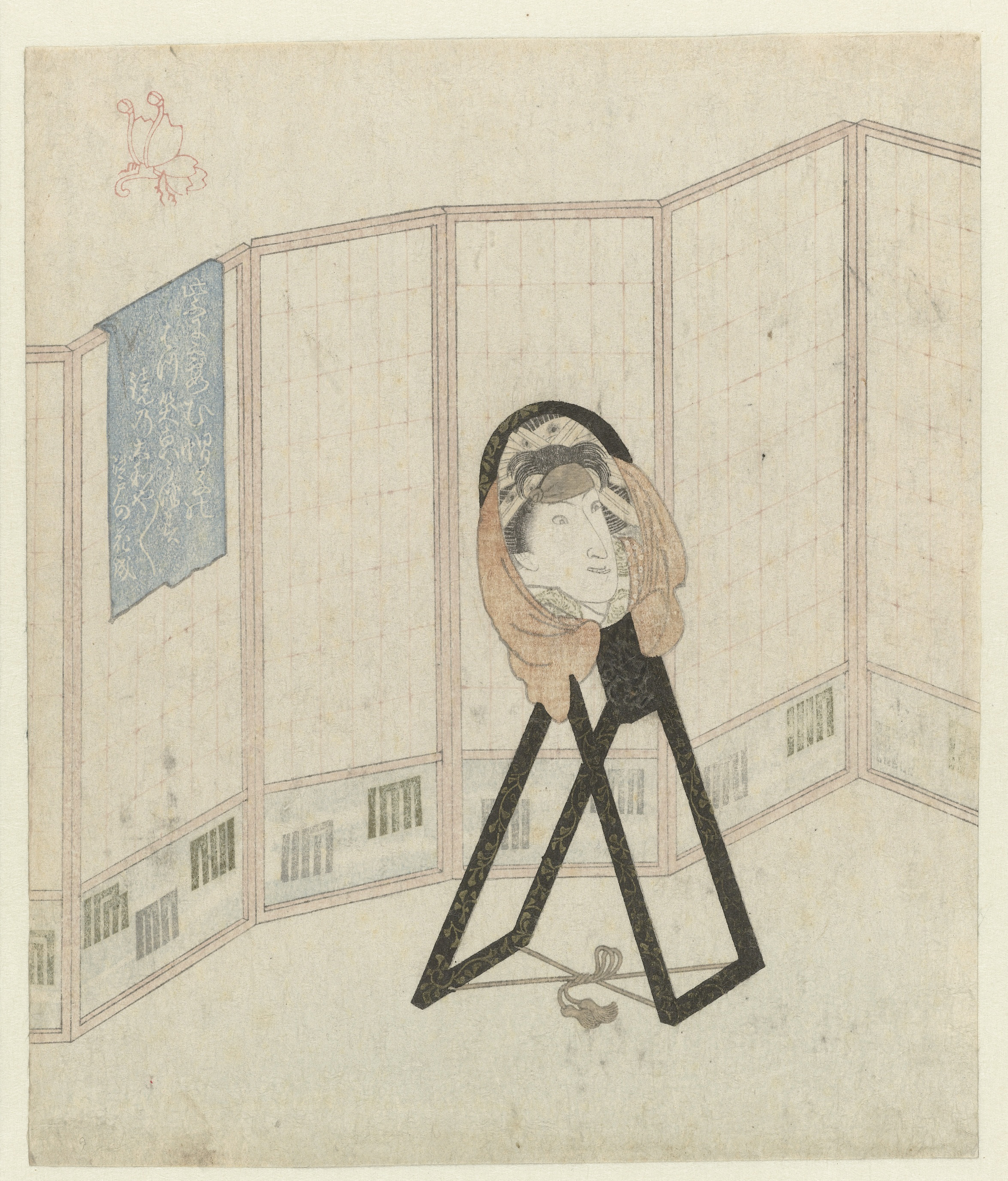
Ukiyo-e print with Genjimon on Screen (1823)

Either way these pseudo-motifs trickled over from Ukiyo-e into Kosode designs certainly by the 18th century and now today are recognised as denoting each of the particular 54 chapters, and events which happen in that chapter. These are often used in Kimono today to allude to various analogous stories or metaphors in the popular culture at the time they were made. Equally the motif can be used in conjunction with other motifs and dyes to connote a wider moral or ethic for example which Genji is said to evoke.

For a complete overiew of Genjimon linked to their chapters, see https://www.viewingjapaneseprints.net/texts/topics_faq/genjimon.html. I should also note that I prefer Waley for his easy reading, but Seidensticker is more historically accurate in his translation, with Waley omitting some chapters in a bid to remove the bumpf, which Seidensticker has left in his version.

Reference List

[1] See Orientating Arthur Waley, 2003 for more on that.

[2] https://en.wikipedia.org/wiki/K%C5%8Dd%C5%8D

[3] https://www.japanese-wiki-corpus.org/culture/Incense%20burning.html

[4] The Elements of Japanese Design, J Dower, 1971, pp. 152-53

[5] https://www.viewingjapaneseprints.net/texts/topics_faq/faq_genjimon.html

[6] https://home.kpn.nl/ooije006/sashimisen/things_japanese/incense_f.html

[7] https://www.theguardian.com/science/2014/jul/06/worlds-earliest-erotic-graffiti-astypalaia-classical-greece

[8] https://en.wikipedia.org/wiki/Mitate-e

Social links:

https://www.etsy.com/uk/shop/KaguyasChest?ref=seller-platform-mcnav or https://www.instagram.com/kaguyaschest/ or https://www.youtube.com/channel/UC5APstTPbC9IExwar3ViTZw, or https://www.pinterest.co.uk/LuckyMangaka/hrh-kit-of-the-suke/

ジョン・ルーサー・ロング | John Luther Long | 1898 | Essay #2 | Birth of the Kimonope

Kimono as transnational Culture Essay Series : The birth of the Kimonope.

I have literally no respect whatsoever for this kretyn so I shall just discuss the damage he has and is still doing to Kimono culture outside Japan. Here I shall introduce the notion of the Kimonope, that is as a garment attached to the social construct of the 'Geisha' in North America. Kimonopes being Orientalized clothing, or 'negatively affiliated or exoticized ethnic dress' which lead to the perceived notion of the Kimono and Geiko as simultaneously both high and low culture to American culture makers, such as film, television, media, writers and some academics. An example of Kimonope are the tacky Halloween costumes you may find at the Dollar store.

John Luther Long (January 1, 1861 – October 31, 1927) was an American lawyer and writer best known for his short story "Madame Butterfly", which was based on the recollections of his sister, Jennie Correll, who had been to Japan with her husband—a Methodist missionary.

ジョン・ルーサー・ロング(John Luther Long、1861年1月1日 - 1927年10月31日)は、アメリカ合衆国ペンシルベニア州フィラデルフィア生まれの弁護士小説家

ロングは、姉のサラ・ジェーン・コレルが日本に滞在した際に聞いた話を基に、プッチーニ作のオペラ蝶々夫人』(Madama Butterfly。1904年初演)の原作である短編小説『マダム・バタフライ』(Madame Butterfly)を書いたことで知られる。同小説は1898年ユタ大学の学生雑誌『センチュリー・マガジン』1月号に発表された。 [1]

The infamous Kimono Wednesdays. I began collecting and learning (that is the distinction between appropriation and appreciation afterall is said and done) in 2015. I only became aware of Kimono Wednesdays when it was mentioned by Rachel and Jun online I think in 2017. It was one of those incredibly surreal experiences you really only experience very rarely, like the fact Madam Efunroye Tinubu existed. The argument essentially became in the end 'Woke' students, who rightfully very angry about Anti-Asian-American sentiment and the subsequent weathering [2] they had been subject to their entire lives against the MFA and NHK, who were equally confused because this was a Japanese-American or Asian-American collaboration, about sharing their culture with Americans. 

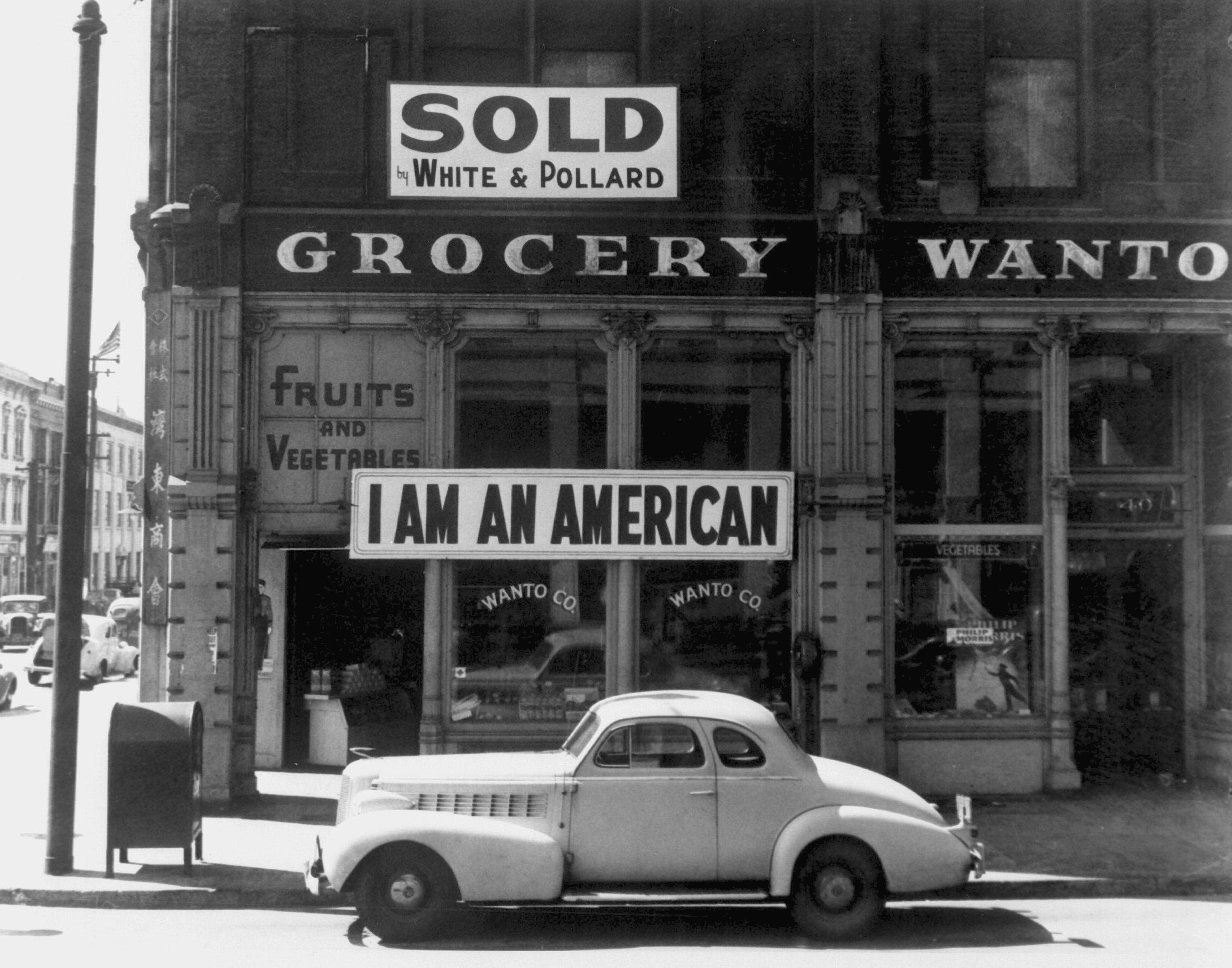
The plight of Japanese Americans who were wrongfully interned during WWII (1942)
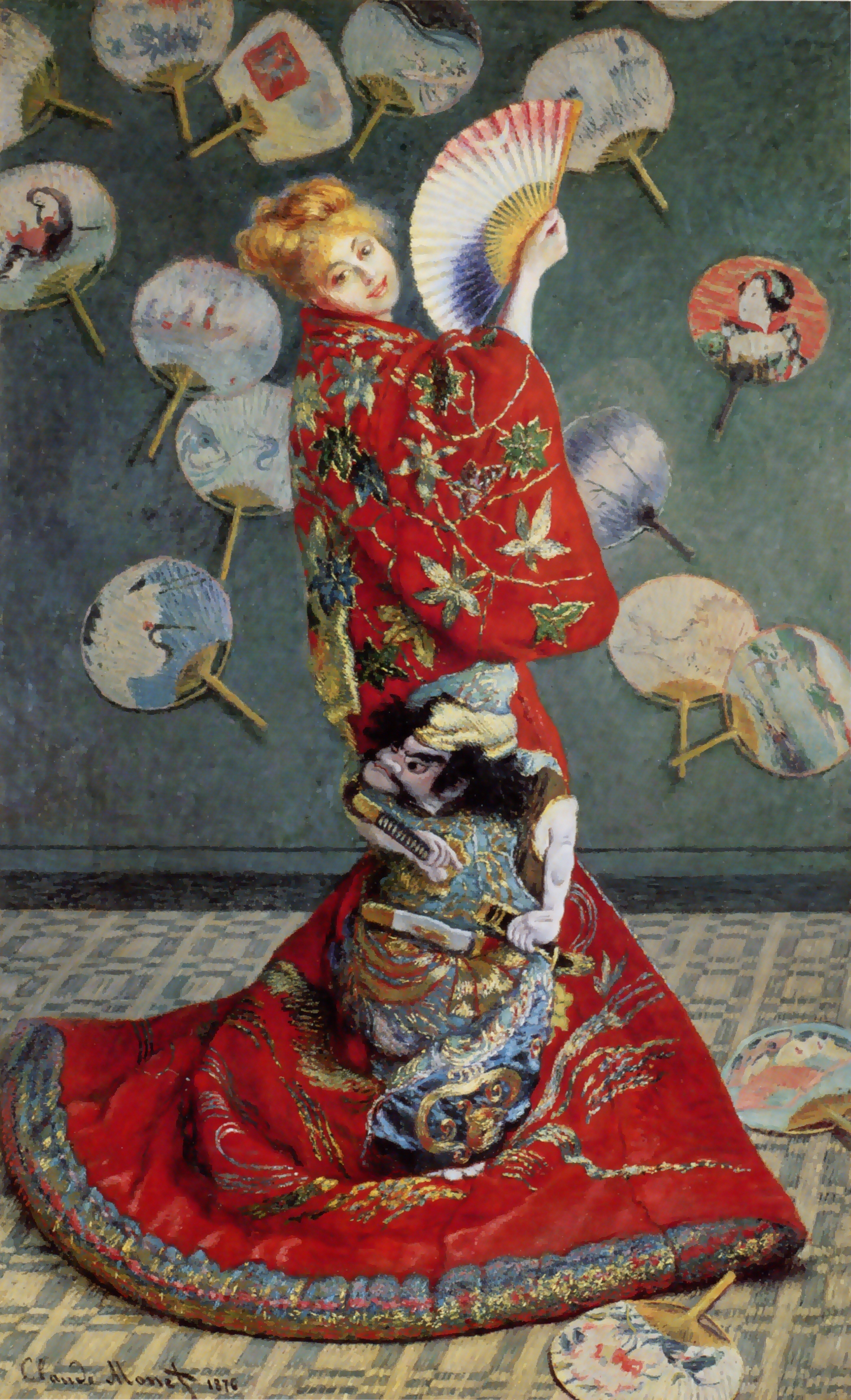
Manets Japonisme Painting mocking Japonisme which sparked the infamous Kimono Wednesdays (1875)

The results were as you would expect, a lot of misinformation being thrown around and people arguing with Brick walls at the end of the day. As whilst for the protestors, this was a battle for their heritage and representation in a historically prejudiced country (I'm thinking Vincent Chin, Fred Korematsu, the 2021 Atlanta shootings, comes to mind) appropriating their culture. But ownership is a tricky debate, and whilst I have no qualms with their sentiments, Japan has equally done questionable at the least in these very same arenas before, which smacks of the lack of care in the American education system like some cyclic Cerberus rearing its head to attack any common ground or sense in the whole maelstrom of surrealism that Kimono Wednesdays stood for.

As for the other side, I an obviously arguing my corner here, but really how do you explain the situation to a Japanese audience? It only comes across as 'the Americans' and all nuance becomes lost in translation when you see how Japanese audiences reacted to Kimono Wednesdays. After-all, a national Japanese broadcaster had proposed this idea, so to a domestic Japanese viewer, American society had rejected an extension of their national culture, the Kimono. Supplement that with American internments and the continued violence against Asian-Americans (who are not a monolith as apparently some people need reminding of that) and we have the great messy Kimono-Wednesdays-split special.

Where Lolita fashion is worn globally (2019)

Common ground could have quite easily been met if the MFA had consulted people in the area, or even visitors on whether this was appropriate to them or not, and Japanese audiences could rightfully have been given a better grounding on the matter than just 'this protest happened? what are your thoughts about this?'. As usual, all of these ideas and things must be taken with a pinch of salt. Humans are rather strange like that, quick to celebrate, not so quick to learn from their mistakes, mostly their own. One of the reasons I write these essays, is to contextualize the Kimono (also not a monolith oddly enough, but a textile social construct and yes ALSO FASHION! Yegads!) internationally. If we are to accept the idea that Lolita for example is a Japanese fashion with Victorian and Rococo influences, we can quite easily see that Japanese fashion is transnational, and whilst there are people who believe culture is static and should not be allowed to be shared [3] between ethnic groups, a great many people find comfort in wearing Kimono and lolita as purely fashion, and in forming communities and identities and businesses (an important part of revitalising a 'dying' industry [4] I should think), and I shall argue in my next essay against the problems in falling into the surprisingly dangerous 'Kimono are only traditional garments' trap.

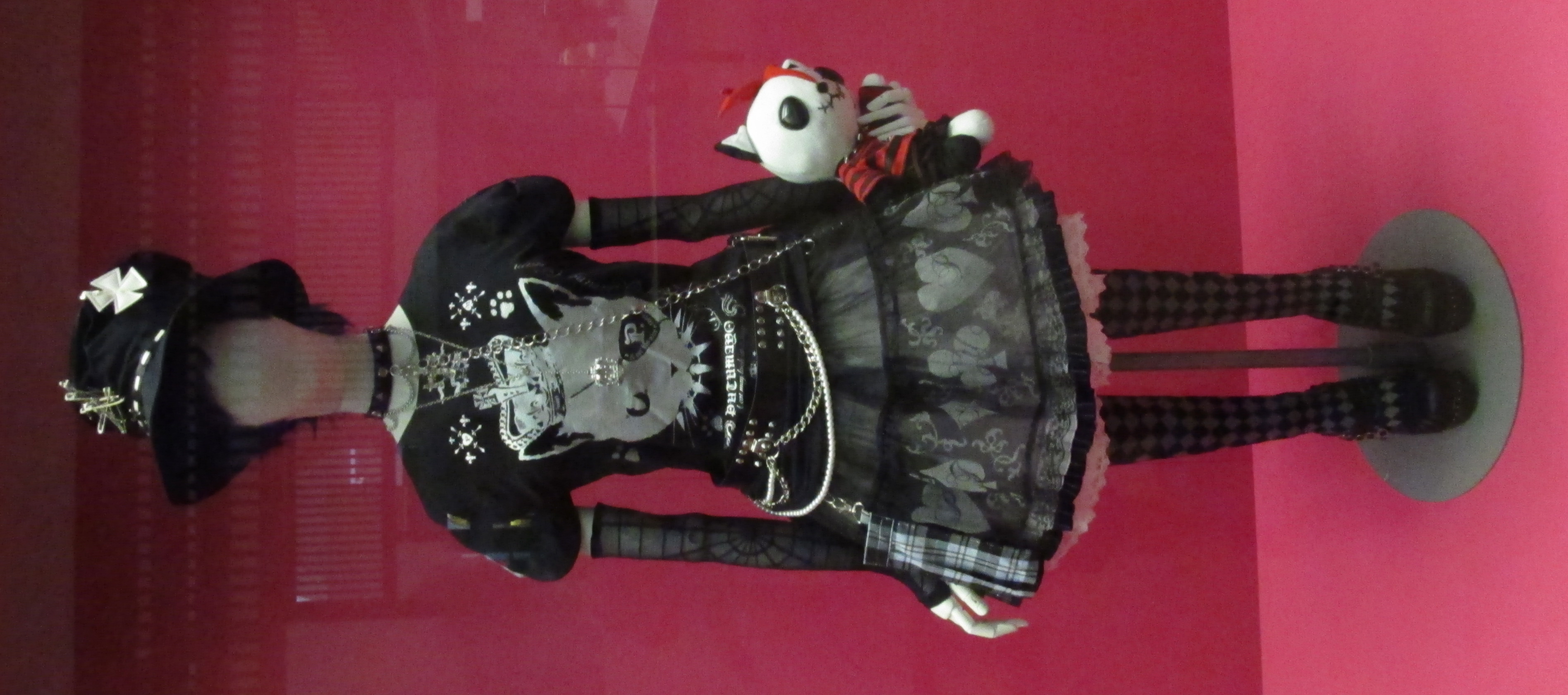
Punk Lolita, an example of both Pizza Effect and Cultural Diffusion

Instead though to refocus this rambling essay, I am taking a brief look into one part of the story of Kimono in North America and arguably popular global culture. The reason I quite despise John Luther Long is that he was the result of all that the protestors were worried about personified. I will gladly go on record and coin the neologism of 'Longingism' in his dirty, dirty honor. John Luther Long, or the defendant (he is guilty and yes I am the fashion police here) is guilty of the crime of clear (for once) mass cultural appropriation crimes on a grand scale. In the culture wars, it is arguably his work which western society has relied on in 'mainstream' culture to contextualize Kimono. Which is sort of like whenever Americans whip out the Downton Abbey dresses for me, and declare this is my whole culture, and the rest is useless. Or reductionism and erasure.


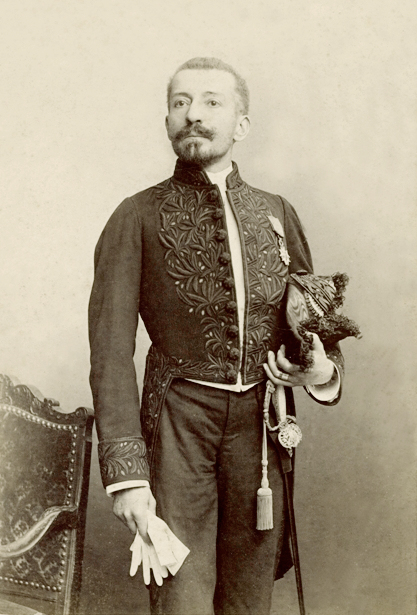
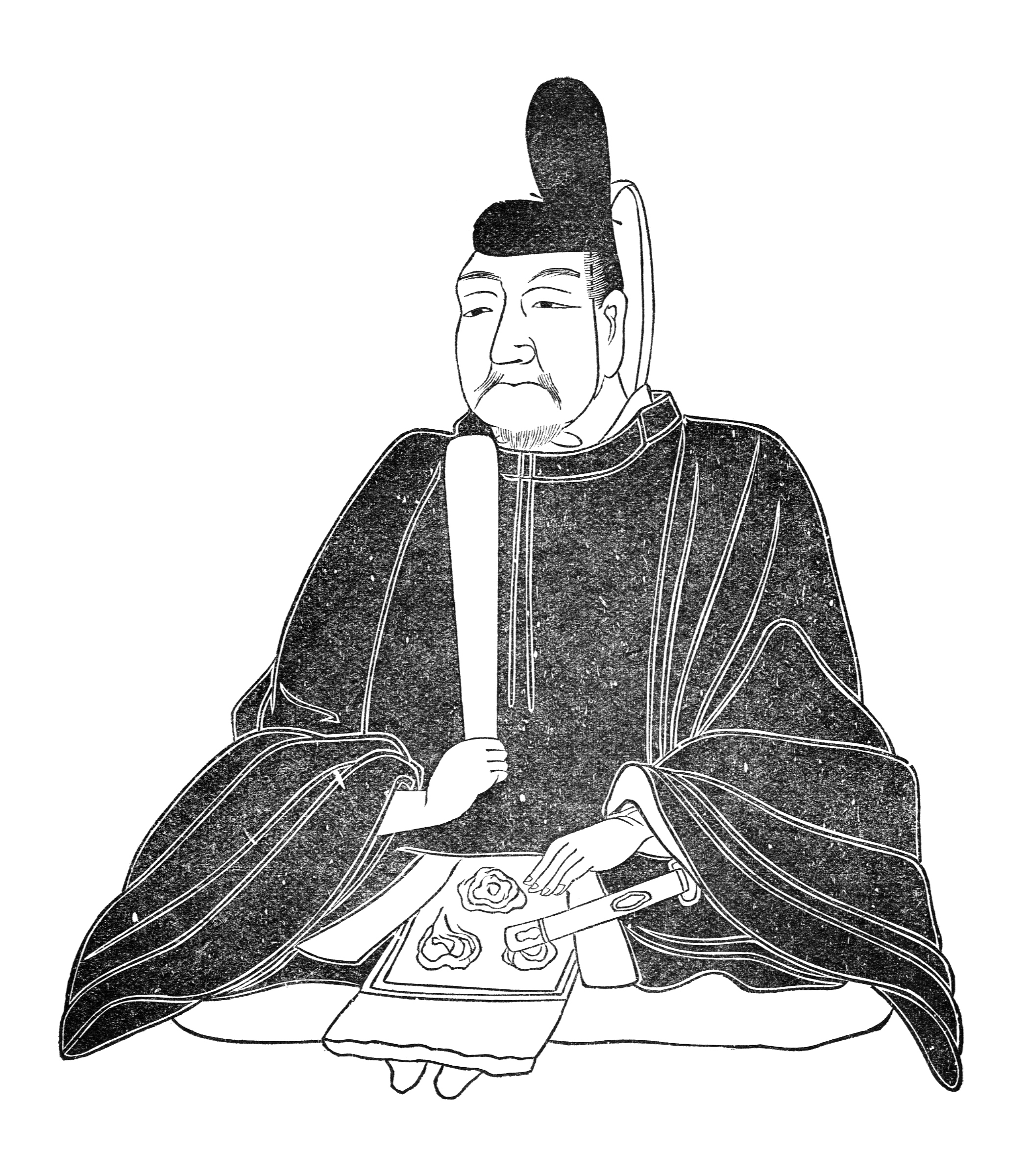
Author of Madam Chrysanthemum (1887) Pierre Loti; Princess from the Land of Porcelain (1865)

I am talking of course, of the inclusion of the Kimono as 'ethnic dress' in the defendants Madame Butterfly, as the original 'timid, subservient, filial piety' Asian woman stereotype found in Pierre Loti's 1887 Madame Chrysanthemum was in French[6], so of course we needed an English version! (Sarcasm, that is sarcasm, see Satire, I'm sure the Crawleys have seen a play or two; no I have not tortured myself by watching Downton Abbey either). Whilst the operas are arguably more influential in trickle-down-culture-proliferation, the operas had to have a source to begin with, and fairyland Japan is a racialists wet dream of course, so we then turn to the illustrated edition of a white cishetereonormative allosexual male North American writer on Eastern topics. Of which I can only imagine the 'Butterfly' to be an adapation of the equally white cishetereonormative allosexual male North American artist on Eastern topics (yes the whitewashed Princess from the land of Porcelain [5] has Orientalist overtones) Mr.Whistler who took on the form from Japanese Ukiyo-e as a signature motif in his own work.

the thing that shall not be named (1903)

Madame Butterfly; Purple eyes; A gentleman of Japan and a lady; Kito; Glory [7] was the original 1898 short story format which inspired Puccini's ever more famous Madam Butterfly opera. Butterfly was the kind of **** you should find in a Museum display case extolling the virtues of equality but alas no. The 'plot' goes along the usual lines, Pinkerton; the dashing American solider; who goes to Japan to marry a 15 year old girl. Finding the distraught 'Geisha' (not the kind I know) Cho-Cho-san (did he write it on the train on the way back home perhaps?), he saves poor Cho-Cho-san by marrying her. Then as any self-respecting normal person does, isolates her from everyone around her, forces his ideals of 'western fashion' down her throat, and becoming bored (did I mention this is the only real reason he marries her in the first place as in Pinkertons mind, Cho-Cho is below him; or the subservient Asian women) leaves her, promising to return albeit with no intention to, with no means to support herself and their new household (Cho-Cho also gives birth to his child) and goes back to the good ol' USA. Instead of the classic Loti ending though, Cho-cho who is the good ol' subserviant stereotype and subserviant Asian woman trope, does in fact wait for him in a stockholm syndrome fashion, denies marrying again and eventually leaves this world for the next one out the horror of finding he is not going to return.

Truly the overt racism and racialist attitudes can be found in the line; 'You thing mebby he keer yaet for me? No! He got come an' fight. An' I lig jus' see him-if he come, of course. Me? I don' keer liddle bit!' found on page 209. To read the full book copy reference 7 into any web browser.

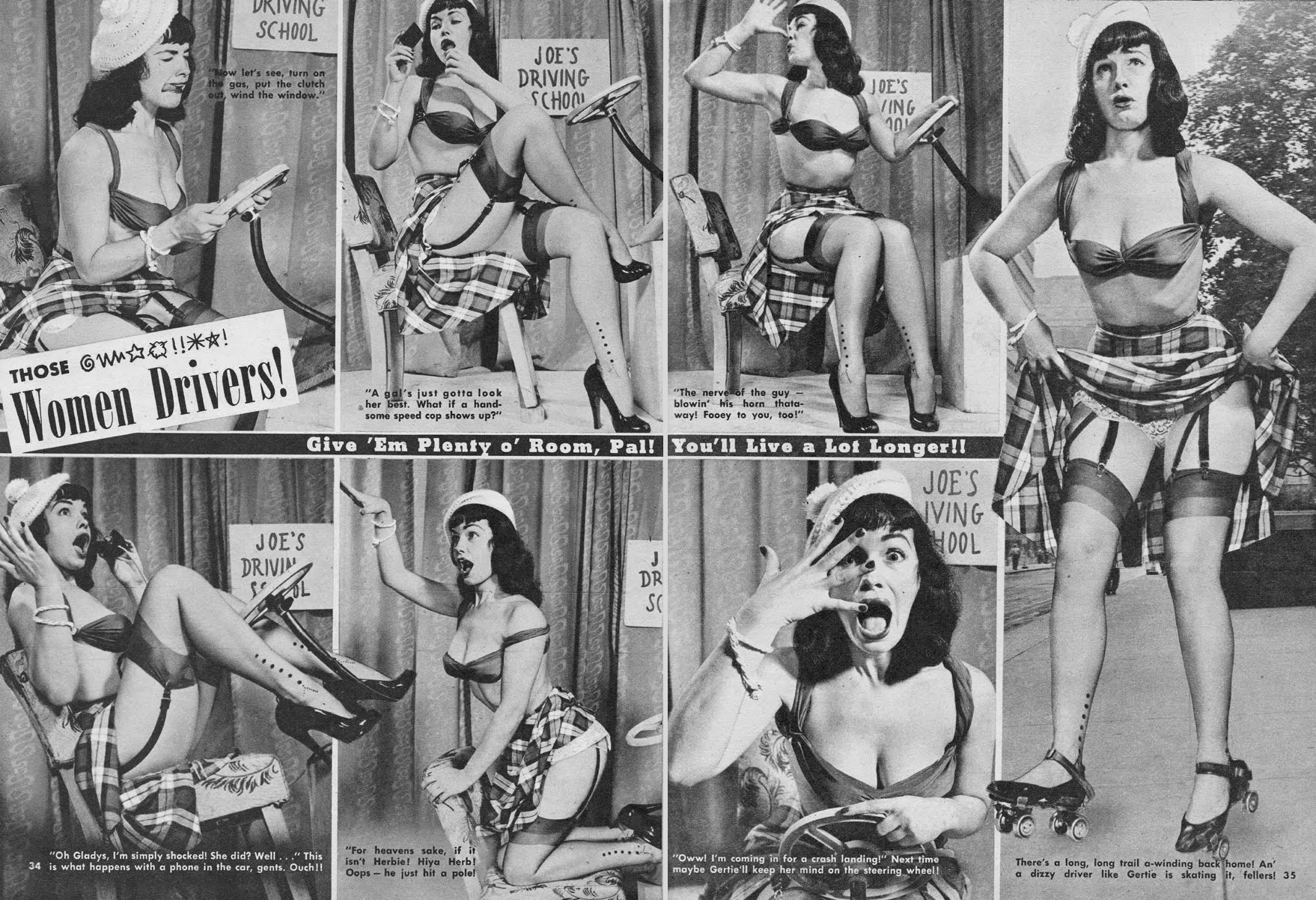
America stereotypical/patriarchal sexualised images of women drivers (1952)

Maiko, trainee Geiko, serving tea, a world away from western assumptions (2011, Nils R. Barth)
Dust storm at Manzanar 'Relocation' Center, home to 120,000 uprooted Japanese-Americans (1942)
Sexualisation, Othering & Objectification are key dehumanising factors to the creation of the western 'Geisha' figure

The book is 224 pages long. The quote mentioned above constitutes around 89% of this book. 200 pages of subservient Asian woman stereotyping. It is from this which we derive the North American (Europe of course has Loti) stereotype of the 'Geisha'. The 'Geisha' being a sort of catchall term for what American men such as Arthur Golden have used to make false or misleading notions into narratives, as Mineko Iwasaki has said herself [8], has amounted to a perception of Geiko as 'highly cultured prostitutes'. Seeing as there is not the social and financial incentive for these men to denounce this, this leaves Japanese-Americans or Japanese nationals in the firing line for this despicable reductionist narrative which is what the 'woke protestors' felt they were up against at the MFA, and understandably so on a surface level.  It is through this narrative, that popular American culture, driven by these same financially successful men, have introduced Kimono into the 'mainstream' media culture, proudly conflating the 'Geisha' as Japanese, rather than American patriarchal power fantasy, and 'Kimono' as glorified bathing robe since 1924.[9][10] And also in challenging the mythological monolith and cultural hegemony; what it means to be 'authetically'; both of Asian-Americanness and Japaneseness.[11] 

It is telling therefore that the original source material for Longism is the illustrations of Madame Butterfly the novel. 2 illustrations of the kimono are found throughout the work and depict the kimono. I shall term them A and B, as A is more prominent, but B more accurate, and the argument I imagine the 'authenticity' or static culture crowd would use as evidence for their case in fashion court. I charge the defendant to be guilty, because in his work, exhibit A is a state of Kimono most prominent, most easy to find, and is not accurate to contemporary or everyday life in the the late 19th century to be period accurate, and which became the most proliferated image after the fact.


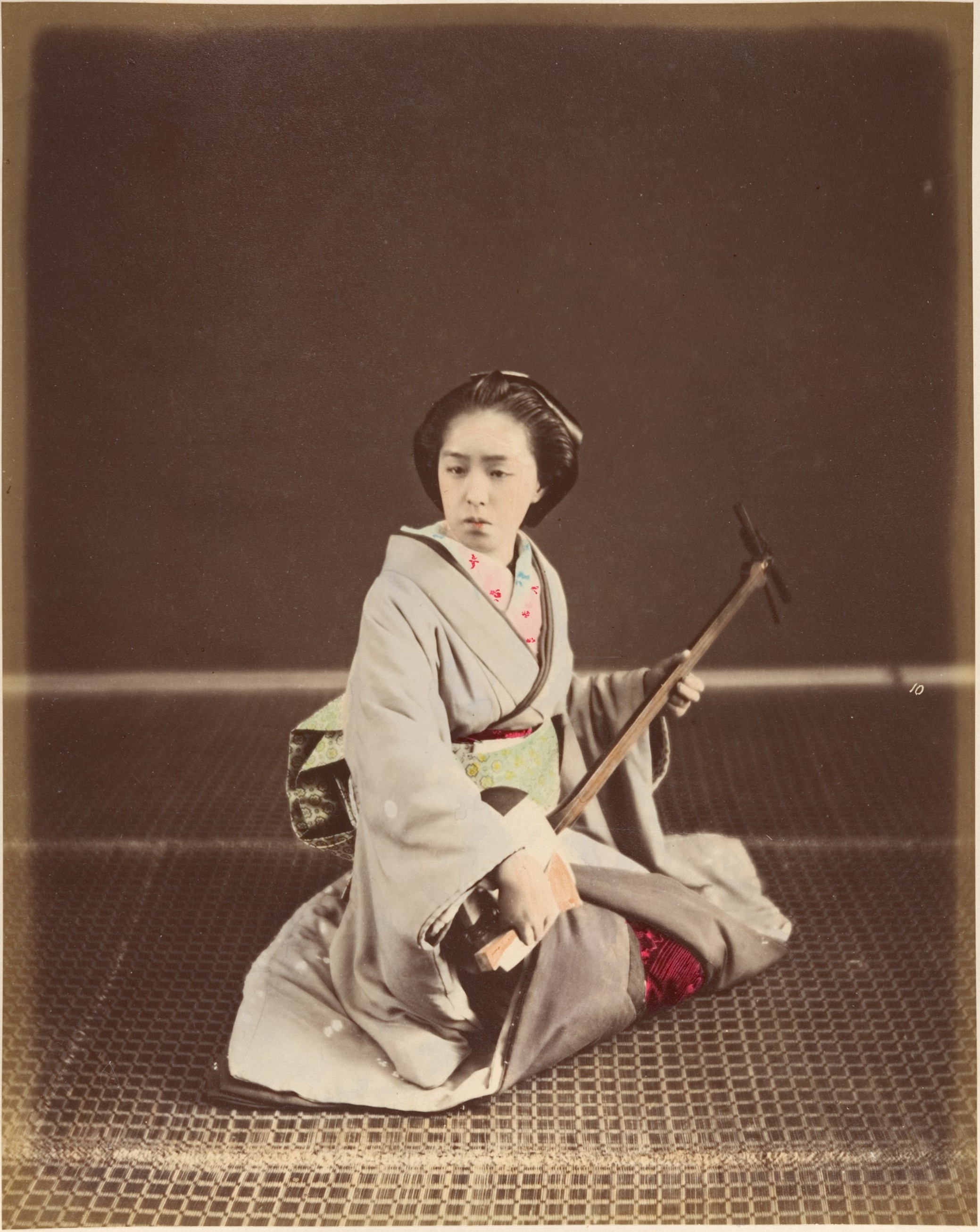
Exhibit B (1904) from p.159; A Geisha (c.1870)

B is found on page 159, and is commendable if we remove it from the books ugliness in depicting a woman wearing a Kimono, playing what looks like a shamisen which are typical Geiko social constructs.

Exhibit A (1904) Prologue Illustration

A on the other hand is the image obviously which in his Longismness, the defendant has chosen to show a construction of what an American thinks a Japanese woman dresses as. And what the defendant choose was a depiction of a human figure in a state of half or undress. Longinguistically (the act of defining Kimono in a sexualised manner adherent to the wests Geisha stereotype) the image includes a key number of motifs for Puccini to have picked up on. Glancing down posture, Mt.Fuji, Dolls or a small child and Ikebana in a vase. 
Nakamura Masanao

How are these things part and parcel of Longingism you may ask? Well cast your best guesses to the Paparazzos, because Japan is on the act too. Long obviously was aware of Japanese culture, but he undertook it as one giant blob he called 'Japan'. This was as Wilde has explained, not Japan but *J*a*p*a*n*, the image created in Longs mind of Japan. And Japan certainly would have helped in the pushing of the 'Good Wife, Wise Mother' doctrine with regards to how a 'true Japanese' woman should act, given it was considered a woman's patriotic duty to be demure and second to her husband.[12]  Long has obviously taken this in from his sister's experiences in Japan in some juncture and thus 'Japanese womanhood' as defined by the patriarchal system created by Nakamura Masanao shapes Japanese women as what the British tabloid press expect of Kate Middleton, of pure, childbearing machines who walk behind rather than beside their husbands. Add a sprinkle of whatever it is that caused likeminded buffoonery such as White Man's Burden (1899) [13] and we have the submissive, devoted shell of a being that is Cho-Cho-san. Depicted in A with her baby or doll (porcelain princesses and dolls are another favorite of Longs original intended audience), the kimono becomes associated as a garment worn by infantilised, submissive, child-heavy, no-backtalk with the odd 'exotic' cultural marker such as Samurai, Bushido, Mt.Fuji and Ikebana to the picture and we have established the Kimono as a cultural marker in line with the subservient 'Asian woman' trope. 

Its not Japan, its *J*a*p*a*n*

I mention Ikebana and Fusiyama (Fuji) as these at the time were well established Japanese cultural markers of Japaneseness to foreigners and Japanese nationals, and still are today. However we must remember the Othering impact which Longingness has in turning Japanese women in the 'Geisha'. Ikebana has a cultural significance to Japanese purity and vigilance to detail, understatement rather than vulgarity or sex as found in *J*a*p*a*n*. As part of the notion of being Iki ()[14] one is refined and demure, typically holding conservative rather than liberal values as Western audiences would define them. An 粋着物 therefore is often those grey, old lady kimonos, or their western equivalent being the 'cool-conservative-grandma'. The notion of Iki and Yamato Nadeshiko are heavily intertwined to conservative purity values of what 'Japaneseness' was and still is a heavy part of the visual makeup of ethnocentric Japan.[15] Other visuals and discriminatory policies are available and will be explored later on in another post.

Cho-cho a *J*a*p*a*n*e*s*e* woman (1902) depicted by Valerie Bergere

It is this Yamato Nadeshiko and Confucian purity and filial piety notion, which is a principle component of how Long presents Cho-Cho and *J*a*p*a*n*.[16][17] This is a reflection of the monolithic-ness of ethnocentric Japan, in the mirror of American ethnocentrism which creates in turn as Wikipedia notes, the buffoonery of a thought process which allows one group of people to think the Holocaust was a good thing and intern millions of people based on a perceived visual or 'racial' slight, casting them as the Other, or Othering them.[15] So in other words, when Japanese people typecast half their population as 'pure' and 'honourable', westerners like Longs sister, took home these notions with them to the USofA and feed them to the same people like Long, who created new images of *J*a*p*a*n*e*s*e* womanhood, and birthed the 'Geisha' trope in the United States. In this climate, culture became weaponised for national purposes, in America this used the Kimono as a cultural marker of the sexually available *J*a*p*a*n*e*s*e woman, or a Geisha.

In other words, the kimono, a thing to wear, was turned into Cho-cho-san, an object used to the ends of its new creators. The Kimono suddenly became an American garment, the *K*i*m*o*n*o*p*e*  (as I shall call it) which was acceptable to put onto the stage, into the hands of GI's in the 1950's and feeding the problematic 'dying industry' narrative we have around Kimono wearing today we find in films like Memoirs of a Geisha.[18] Kimonope certainly an American invention, should not be conflated with Kimono by Asian-Americans, and as a garment Kimono are also inherently, as with all objects, dynamic and use multiple sources of influence and inspiration. Particularly within the broad scope, fashion and history of Kimono as a garment, and narrowing who, why, how and when Kimono is considered appropriate to be worn by, when the answer from Japanese audience is generally anyone can be taken as cultural appropriation rather than appreciation in itself.[19]

Exhibit A though is a fine specimen of Longingism Kimonope your honor, and certainly deserves to be examined as such, whilst giving the due study and diligence Kimono deserves in transnational contexts. We do not I hope therefore need to have the debate as to whether the Top and Bottom are global garment constructs as is the Kimono, and that defendant in their creation of the Kimonope, and popularisation of the Geisha, that you will find the defendant guilt as charged. I the fashion police, rest my damn case. 

Concluding

In context therefore, we see that in the transnational context, Kimono has also become a cultural marker denoting similar and disparate value systems globally. The Kimono Bergere and other actresses (Cho-Cho) worn onstage in the Butterfly plays of 1900-1914 were used to denote that its wearer was a 'Japanese' woman, which many audience members may have filled in as being worn by the 'Geisha' without the correct background knowledge of the national, social and textile cultures which gave these attributed values such as purity in Japan and sexual attraction and submissiveness by Western audiences. John Luther Long contributed to the creation of visual Kimono culture by creating the Kimonope, or the sexy kimono, or tacky Halloween kimonos and it will haunt us forevermore.

The next essay will focus on the problems with the decline of the Kimono-wearing in Japan and how this 'dying industry' narrative damages and Orientalizes the Kimono as an institution.

Reference List

[1] https://en.wikipedia.org/wiki/John_Luther_Long

[2] https://www.medicalnewstoday.com/articles/weathering-what-are-the-health-effects-of-stress-and-discrimination

[3] https://www.youtube.com/watch?v=jZ4bNh0TnMI

[4] https://www.youtube.com/watch?v=TTn7bosRxWE

[5] https://en.wikipedia.org/wiki/The_Princess_from_the_Land_of_Porcelain

[6] https://en.wikipedia.org/wiki/Madame_Chrysanth%C3%A8me_(novel)

[7] https://archive.org/details/madamebutterflyp00longiala/page/n8/mode/1up

[8] https://www.nytimes.com/2001/06/19/books/arts-abroad-a-geisha-a-successful-novel-and-a-lawsuit.html?pagewanted=all

[9] https://eu.cincinnati.com/story/entertainment/arts/2014/07/20/beloved-butterfly-first-opera/12833371/

[10] https://www.metopera.org/discover/synopses/madama-butterfly/

[11] https://medium.com/@OPERAAmerica/the-butterfly-conundrum-46a78f58d8a1

[12] https://en.wikipedia.org/wiki/Good_Wife,_Wise_Mother

[13] https://en.wikipedia.org/wiki/The_White_Man%27s_Burden

[14] https://en.wikipedia.org/wiki/Iki_(aesthetics)

[15] https://en.wikipedia.org/wiki/Ethnocentrism

[16] https://en.wikipedia.org/wiki/Yamato_nadeshiko

[17] https://en.wikipedia.org/wiki/Filial_piety

[18] http://www.costumersguide.com/cr_geisha.shtml

[19] https://www.youtube.com/watch?v=Lv96Rq6A7k8

Social links:

https://www.etsy.com/uk/shop/KaguyasChest?ref=seller-platform-mcnav or https://www.instagram.com/kaguyaschest/ or https://www.youtube.com/channel/UC5APstTPbC9IExwar3ViTZw, or https://www.pinterest.co.uk/LuckyMangaka/hrh-kit-of-the-suke/


Emperor Ai | Artyfarty

Emperor Ai of Han (personal name Liu Xin | 劉欣 | 25 BCE-1 CE), was an emperor of China's Han dynasty.  Deffo not BL (1651, PD) Chen Hongs...